A drawing practice can begin at a desk that also holds a laptop, household paperwork and tonight's dinner. In that setting, the kit must be easy to start and easy to clear. A compact selection chosen around one medium is often more useful than an impressive mixed set whose contents need a separate storage system.
Start with a repeatable page
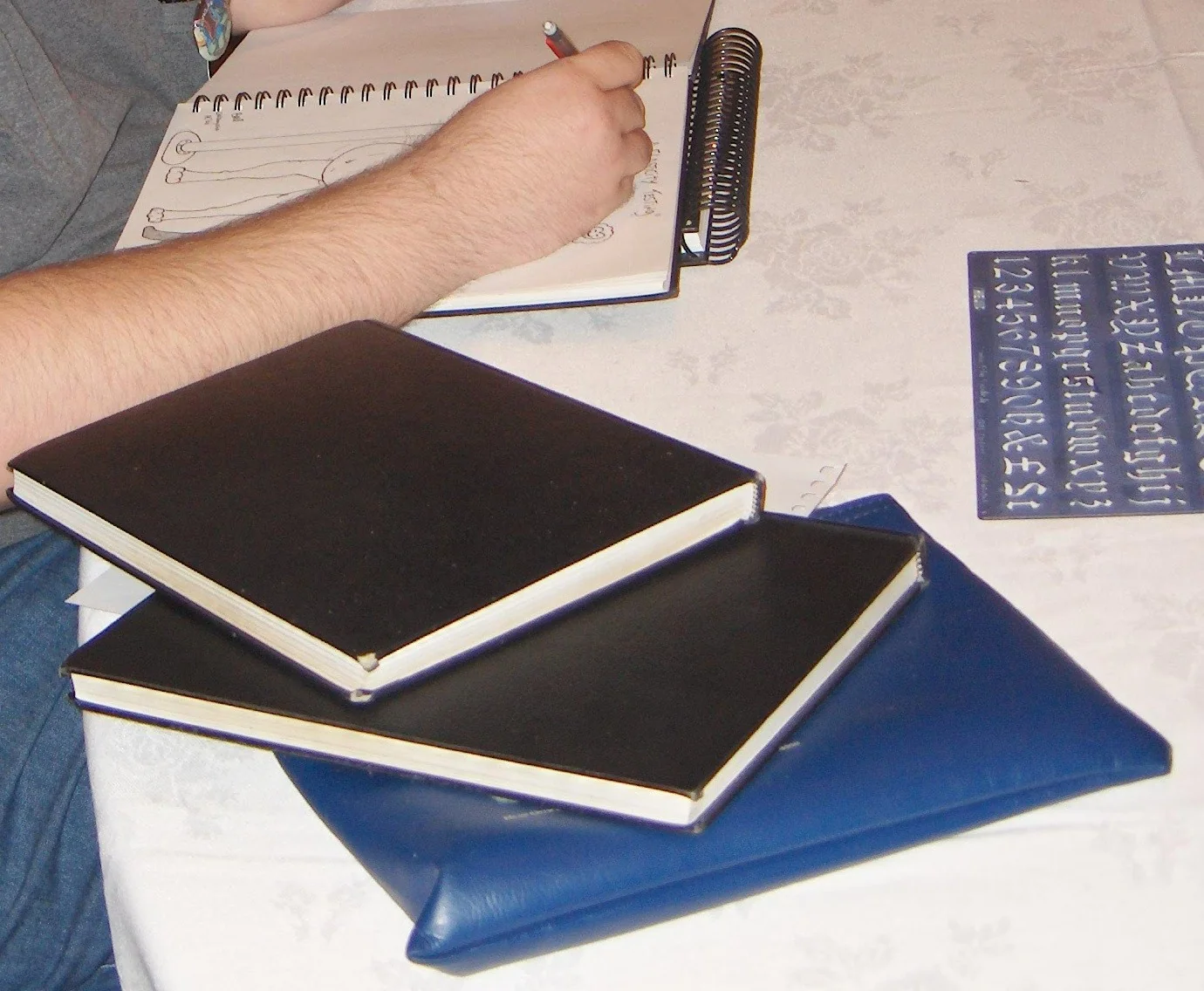
Choose a page size that fits the cleared working area without hanging over the edge. Try a sheet from a pad you already own before buying several new sketchbooks. Decide whether you want loose pages that can be stored flat or a bound book that keeps the sequence together. Test the surface with your intended tool where a shop sample allows, or buy a small quantity first. A paper specification can help comparison, but it does not replace knowing whether you enjoy working on the surface. Keep the first choice simple enough that using a page does not feel like spending a precious resource.
Limit the tools to a clear task
For an initial pencil routine, a small selection of familiar pencils, a suitable eraser and an appropriate sharpener can be enough. Pick a subject such as a mug, a folded cloth or an object from the desk, then decide what the tools need to do. Do not buy a large range solely because the case has empty spaces to fill. Tools for ink, charcoal or paint introduce different handling and surface requirements. Add them when a specific project calls for them. The CPSC's art-and-craft guide is a useful reminder to read product labels and follow the instructions for the materials actually in use.
Make the reset part of the kit
Choose a tray or container that fits the storage location before filling it. Keep drawing materials separate from food and drink and follow product guidance for cleanup and disposal. If children share the home, store tools appropriately rather than leaving sharp points or unsuitable materials accessible. Avoid using kitchen utensils for art tasks when that conflicts with safe-use instructions. A protective working surface may be helpful, but it should fit the desk and be easy to clear. The routine is successful when you can put the kit away without transferring an untidy pile to another chair.
Spend after several ordinary sessions
Keep a short note of recurring frustrations: the page is too small, the sharpener is awkward or loose sheets are difficult to retrieve. Turn that observation into one targeted purchase. A more expensive pencil will not automatically solve a cramped desk, and a larger storage case will not decide which materials you use. Label finished pages with enough information to make them meaningful later and choose a modest place to keep them. If you buy a set, check exactly which tools it contains and whether replacements are available individually. Let the work shape the collection of tools rather than letting the collection dictate the work.
Sources & further reading
Published sources for the details and examples discussed in this story.