A gallery sketchbook can change the pace of a visit. Instead of trying to see every room, you can spend longer with a few forms, colors or compositions. The useful kit is small enough to carry comfortably and simple enough to meet the institution's rules. Start with the visit you plan, not a full studio packed into a shoulder bag.
Read the drawing rules before packing supplies
Check the current visitor guidelines for each gallery you intend to visit. The Met, for example, allows pencils while prohibiting marking materials such as paint and adhesives; that policy should not be assumed to apply identically elsewhere. A familiar sketchbook does not override a venue's restrictions. Look for limits on bag sizes, stools and where sketching is permitted. Contact the institution before travel if an access need or material question is unclear. Keep the approved kit together so there is no awkward sorting at the entrance. The aim is to arrive ready to look rather than negotiating an exception for a favorite pen.
Choose a page you can support comfortably
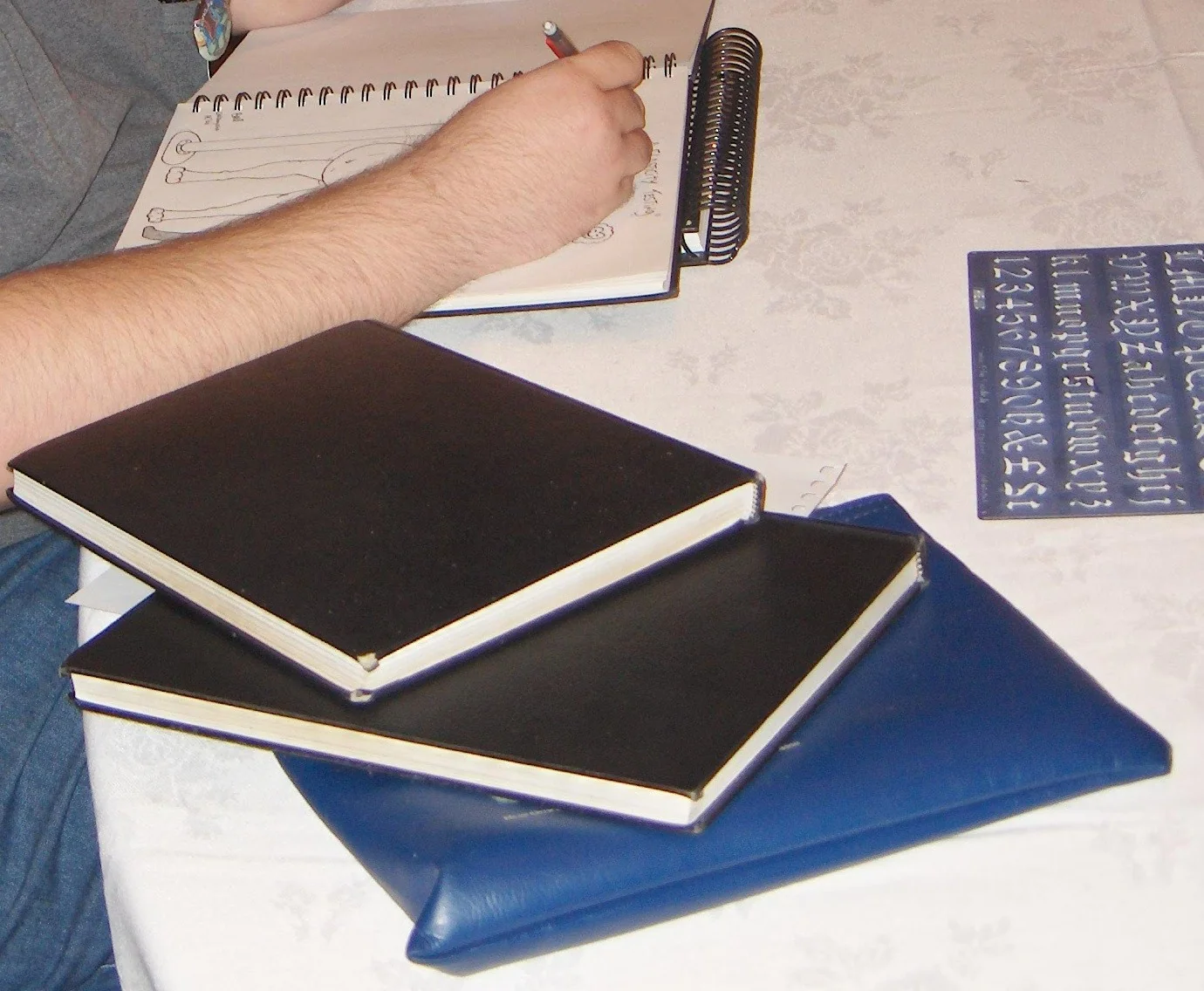
A very large book can be appealing on a desk but awkward while standing. Hold the candidate sketchbook as you expect to use it and check how the binding behaves. A small rigid-backed book may be convenient; a flexible one may suit a bag you already own. Neither choice is universally better. Consider whether you want to spread a drawing across a binding or work on single pages. If a familiar notebook already handles pencil acceptably for your purposes, take it on the first visit. Paper weight becomes a more useful buying criterion after you know what kind of marks you want to make.
Give the visit a modest drawing task
Choose something narrow: the curve of a vessel, the arrangement of three shapes or the relationship between an object and its shadow. You do not need to copy an entire room to make the visit worthwhile. Keep the sketch small enough to finish without blocking a route or occupying a busy viewing position for an unreasonable period. Follow staff directions and be considerate of other visitors. Written observations can accompany drawings when a detail is difficult to capture quickly. A date, gallery name and a few descriptive words are often more useful later than a page of unexplained outlines.
Pack a kit you can put away immediately
Carry the permitted pencil in a small case with any allowed accessories, keeping points and loose items away from the artwork and other visitors. Leave unnecessary tools at home. If a sharpener or eraser is permitted, manage debris appropriately rather than scattering it in the gallery. A bag with one easily reached pocket can be enough; a specialist art case is optional. At home, review which pages and tools you used before shopping for more. The next purchase might be a smaller book or a better case, but it should answer something the actual visit revealed instead of merely enlarging the kit.
Sources & further reading
Published sources for the details and examples discussed in this story.