A small original print can be the most personal object on a wall. Framing it well begins with understanding what you have and what you want the frame to do. Before ordering a ready-made size, separate the visual decision from the materials that will touch the paper. An inexpensive print still deserves a deliberate choice; a valuable or fragile one may need professional care.
Identify the paper before choosing a mounting method
Keep any information supplied by the artist or gallery, including the process, paper and dimensions. Measure the whole sheet as well as the printed image. Decide whether deckled edges, a signature or a border should remain visible. Do not trim the sheet merely to fit a convenient frame. If you are unsure whether it is an original, reproduction or delicate mixed-media work, ask the seller. For a valuable item, consult a qualified framer or conservator before experimenting. The wrong mounting method can matter more than a slightly imperfect frame color, and a product described as archival should invite specific material questions rather than end them.
Ask for a complete frame-package quote
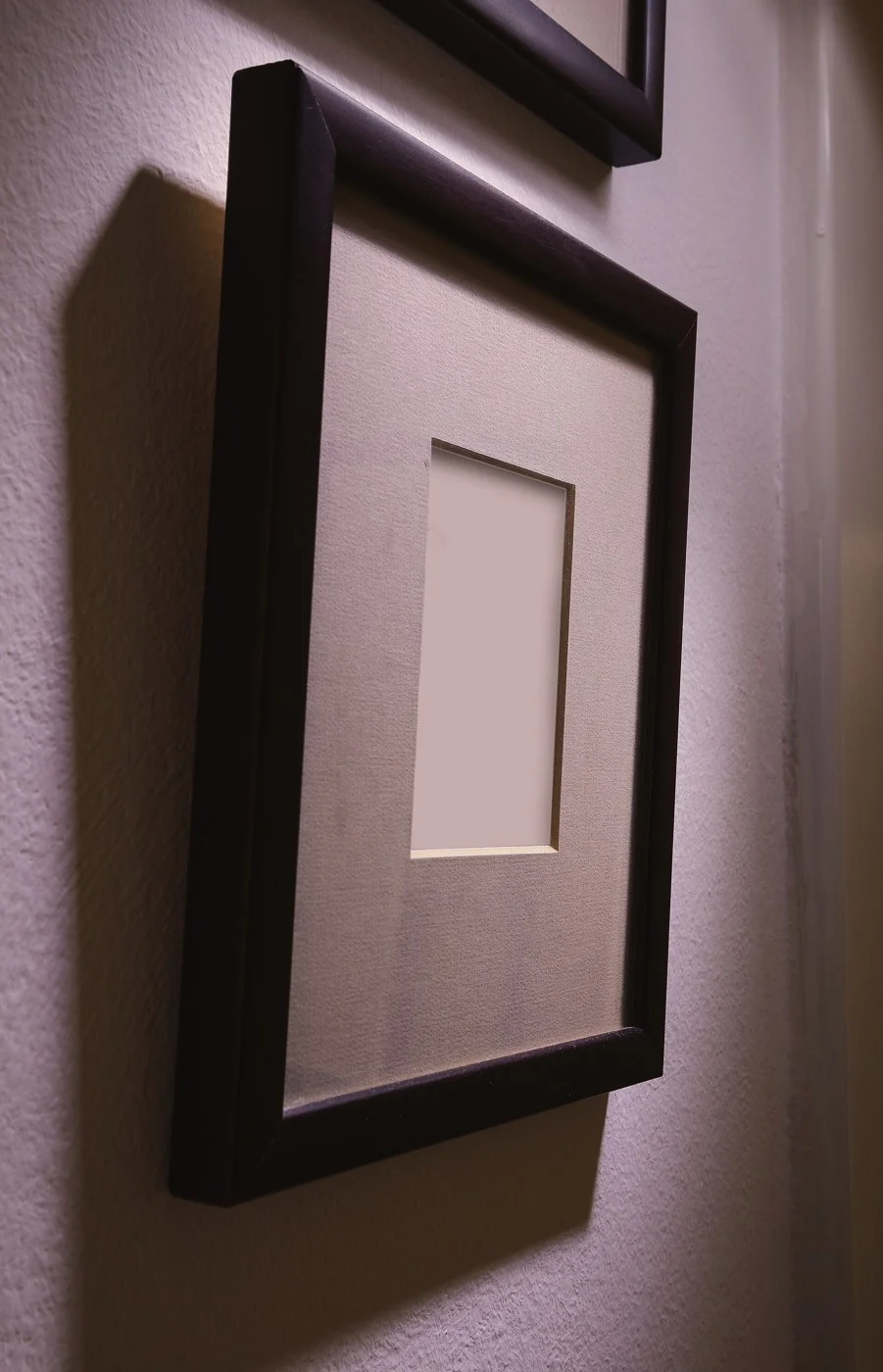
A framing quote should make clear what the mount, glazing, backing and installation method include. The Library of Congress recommends chemically stable materials and keeping the object from touching the glazing. Ask the framer how those needs will be met for this particular print. Ready-made frames can suit some reproductions, but the included backing is not automatically suitable for prolonged contact with original art. Compare the complete package rather than the visible moulding alone. Explain your budget at the start so the framer can suggest appropriate options. A plain finish with suitable supporting materials can be a more considered purchase than an elaborate frame with unspecified contents.
Rehearse the scale on the actual wall
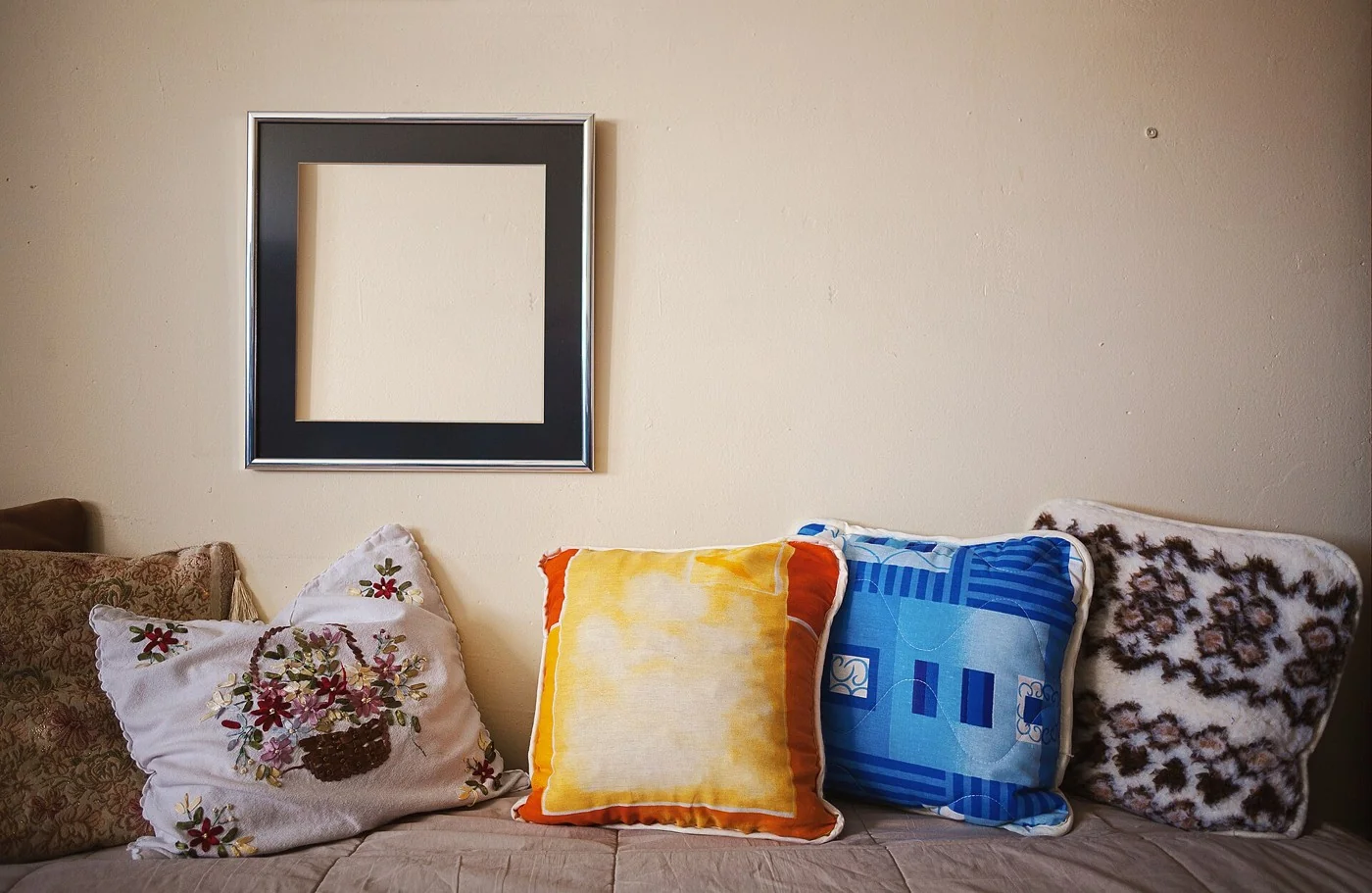
Make a paper rectangle the size of the proposed outer frame and hold it in position. View it from the doorway and from the seat where you will usually see it. A small print does not necessarily need a very large surrounding mount, nor should the frame disappear because every other object nearby is larger. Consider the relationship with furniture and any neighboring frames. Try one quiet finish and one contrasting option using samples if available. This is an editorial exercise in proportion, not a rule that every work must be centered over a sofa or matched to a room's existing metal finishes.
Plan where it will live and how it will move
The Library of Congress cautions against prolonged light exposure for paper-based materials. Consider a reproduction for constant display when preserving a valuable original is the priority. Avoid assuming that protective glazing eliminates every risk from an unsuitable location. Ask a professional about hanging hardware suited to the complete frame and your wall construction; follow the hardware instructions. Keep the framing receipt and material details with the artwork's records. If you move, protect the piece according to the framer's advice. A frame is part of caring for an object through ordinary life, not only a finish applied for the first photograph.
Sources & further reading
Published sources for the details and examples discussed in this story.