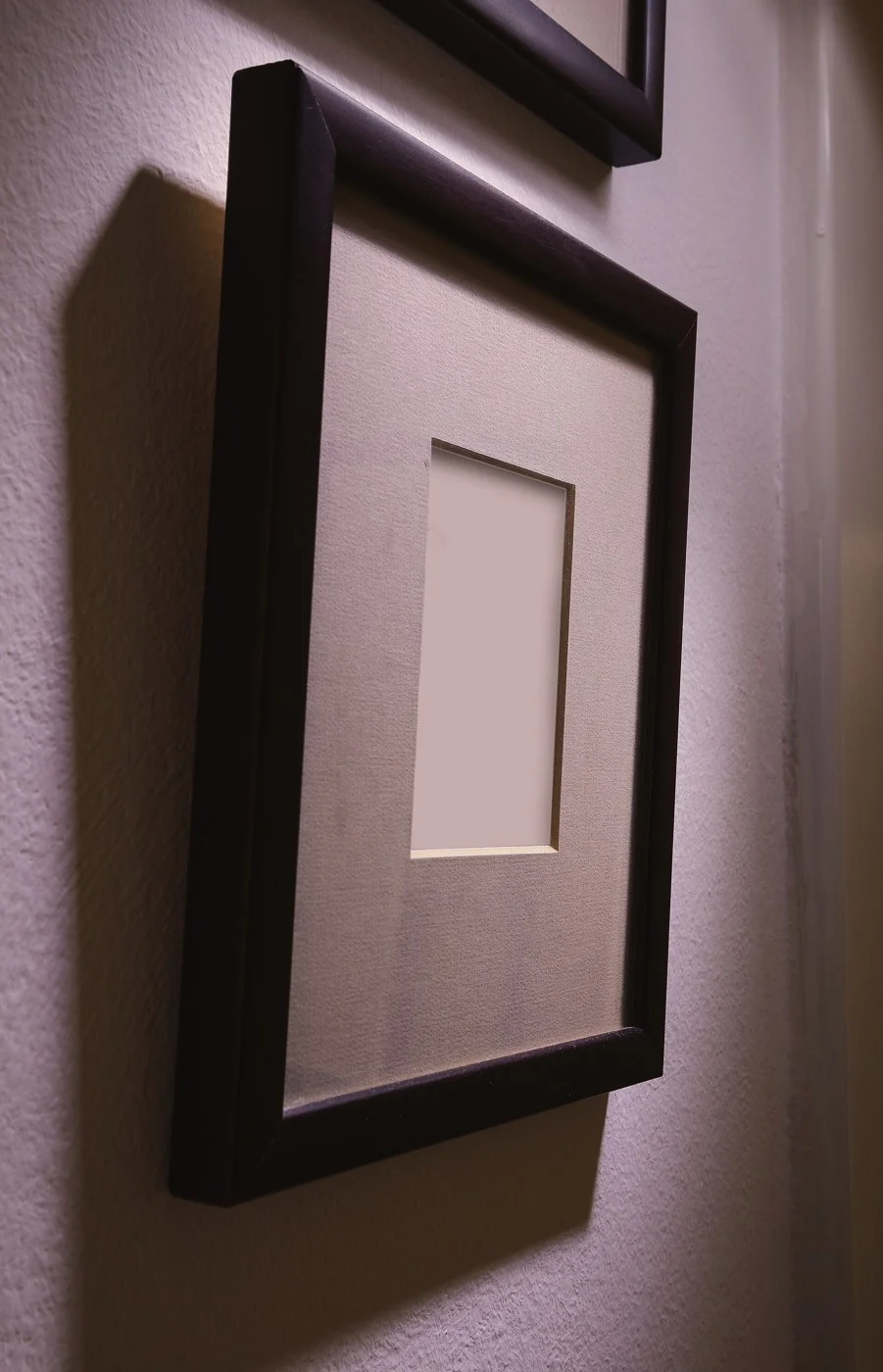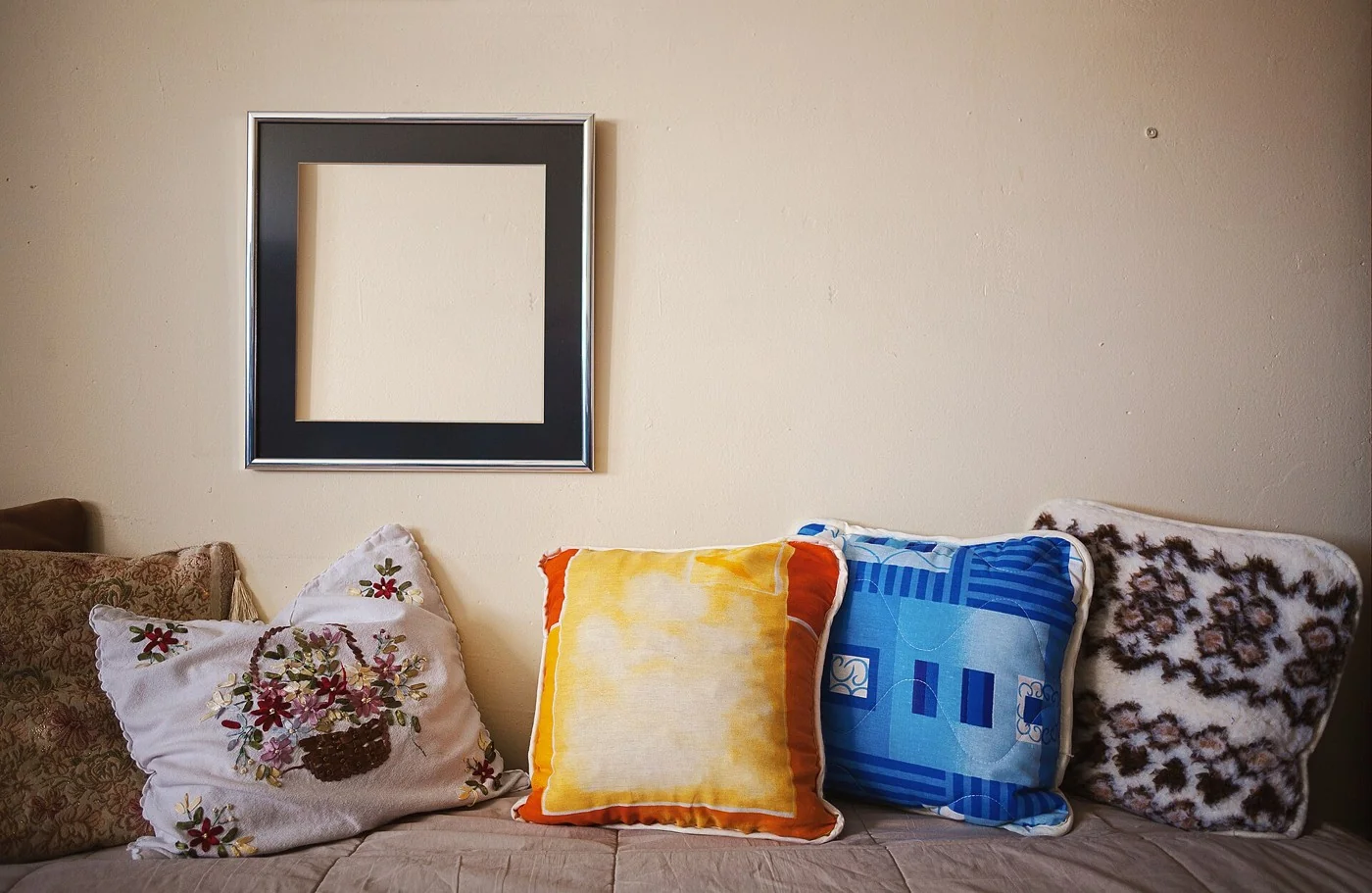
A print that looks perfect as a cropped product image can feel unexpectedly small on a wall. The solution is not automatically to buy the largest size. Compare the printed image, the surrounding paper and the finished frame as separate dimensions, then place that whole object in the room. A few full-size paper templates can make the purchase much clearer.
Read all three measurements
A seller may list the sheet size, the image size or the framed size most prominently. Find out which one you are comparing. An unprinted border can be an important part of the composition, and a mount adds further width. Ask for clarification if the listing is ambiguous. A standard frame size does not guarantee that the image will sit as expected inside it. Draw the relevant rectangles on paper and write the measurements beside them. This simple exercise can stop a seemingly inexpensive print becoming an unexpectedly costly custom-framing task, or a generous border disappearing behind the mount when you wanted it visible.
Test the finished outline at normal viewing distances
Use a paper template for each shortlisted outer frame size and place it where the print would hang. Look from the doorway, across the room and from a nearby chair. Consider furniture height, switches and other objects around it. A work may feel intentionally intimate on a narrow wall while seeming lost above a broad cabinet. You do not need to fill every available space. Try one print alone before assuming a group of three is necessary. Photograph the templates for comparison, remembering that a phone image is a planning aid rather than a substitute for standing in the room.
Compare one larger work with a small group
A larger print can offer a single clear focal point; a group of smaller works allows a more varied arrangement. The latter also introduces several frames, more hanging decisions and potentially more cost. Decide whether the group has a reason beyond filling a rectangle. Existing artwork, postcards or photographs may already provide part of the arrangement. Keep neighboring gaps consistent enough to feel intentional without treating a rigid numerical formula as a design law. If renting, check what installation is permitted before buying several framed pieces. An arrangement that depends on prohibited fixings is not yet a workable plan.
Budget for framing and a suitable location
For paper-based originals, frame materials and exposure matter alongside visual scale. The Library of Congress recommends appropriate preservation framing and cautions against sustained light exposure. Seek professional advice for a valuable original instead of making conservation decisions from a decorative listing. For an ordinary reproduction, still check the supplied frame package, usable dimensions and hanging instructions. Compare the total price of the complete arrangement, including delivery and any suitable installation. Buy the size that reads well from the places you use the room, not the one that merely looks impressive on a blank website mockup.
Sources & further reading
Published sources for the details and examples discussed in this story.