A subtitled film night is an invitation to pay attention together. The room should make reading the screen easy without turning the gathering into a technical project. Before buying a larger television or a subscription, rehearse the view from every seat and decide how the group will watch. A few changes to placement and planning may matter more than another device.
Check the film and the version
Confirm that the chosen service or disc includes the subtitle language needed by the group. Do not assume the same title has identical options on every platform or edition. Criterion, for example, distinguishes its disc store from its streaming subscription in its own FAQ. Check the actual listing rather than treating a shop account as viewing access. Start the exact version before guests arrive and find the subtitle controls. If you cannot establish the required access, choose another available film rather than spending the gathering solving it.
Read from the least convenient seat
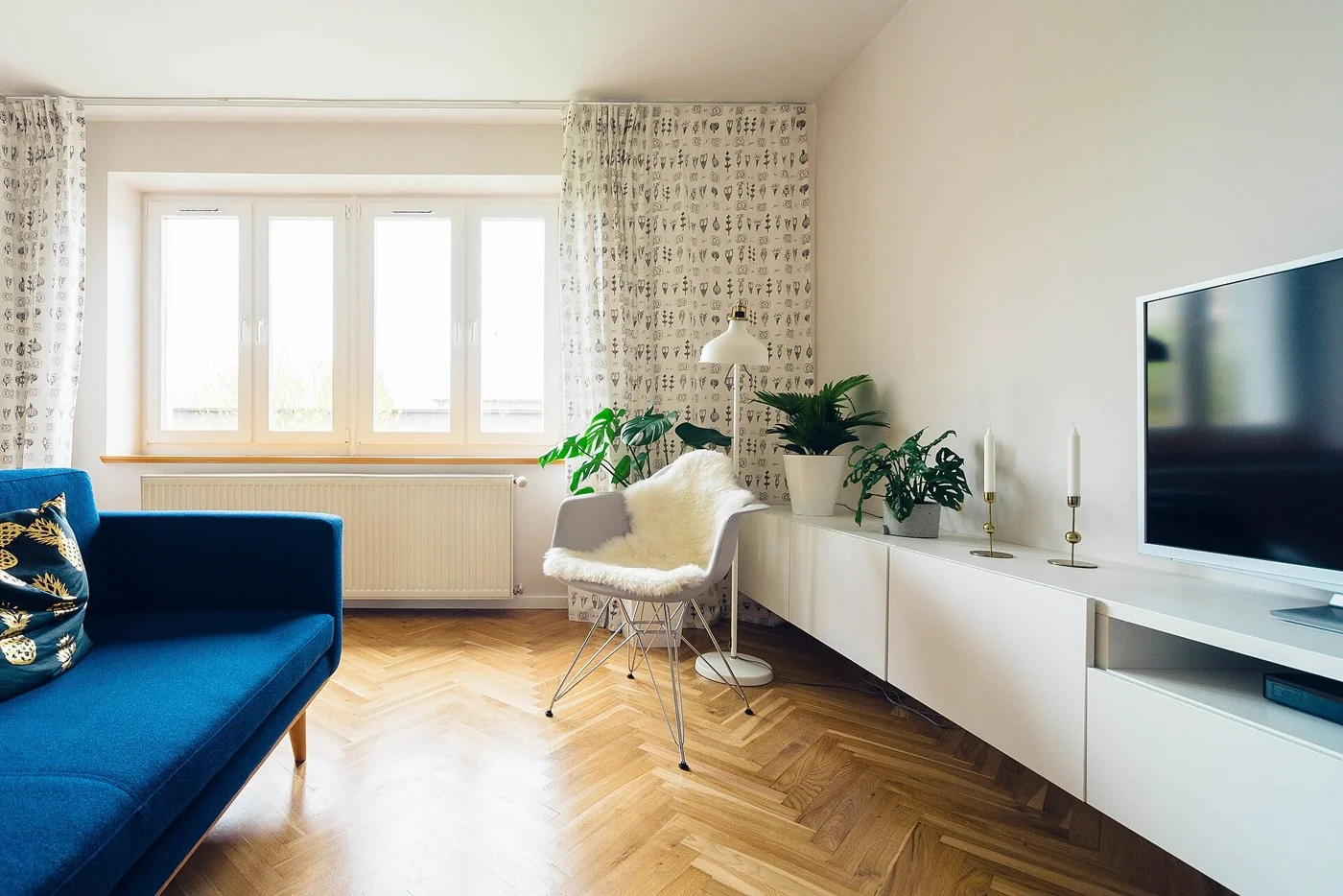
Sit at the side of the room and at the back, not only in your usual central position. Check whether lamps, reflections or another person's head obstruct the lower part of the screen. A closer chair may be more useful than a larger display. Arrange seating so everyone can move without crossing directly in front of the picture. Ask guests about access needs and caption preferences beforehand. Subtitle availability and captions for deaf and hard-of-hearing viewers are not necessarily the same feature; confirm what the edition offers.
Make refreshments quiet and reachable
Prepare drinks and food before playback, and give each person somewhere stable to put them. A small borrowed side table can solve an irritating practical problem without adding permanent furniture. Choose serving dishes that do not require constant passing across the screen. Leave a clear route to the kitchen for anyone who needs a break. An elaborate themed menu is optional; the important part is that hosting does not repeatedly compete with reading and listening. Put packaging away before the film rather than opening everything during a quiet sequence.
Set expectations for conversation
Ask whether the group prefers a pause at a natural break or discussion afterward. Neither approach is inherently more serious; agreeing in advance simply prevents competing expectations. Keep a notebook nearby if someone wants to remember a scene without starting a phone conversation. Plan enough time after the credits for people to talk before the last train or an early start. If the film is long, be realistic about the evening's beginning. It is easier to choose a shorter work than to rush through the end of one.
Buy only after identifying a recurring obstacle
If reading remains difficult from normal seating, compare display size, placement and the actual room before ordering equipment. If the problem is glare, try changes to existing lighting or window coverings first. For a subscription, check supported devices, territory and renewal terms directly with the service. Keep any necessary cable or remote accessible in a small existing container. A successful night gives you useful evidence about the room. Let that evidence decide whether a purchase is needed for the next one.
Sources & further reading
Published sources for the details and examples discussed in this story.