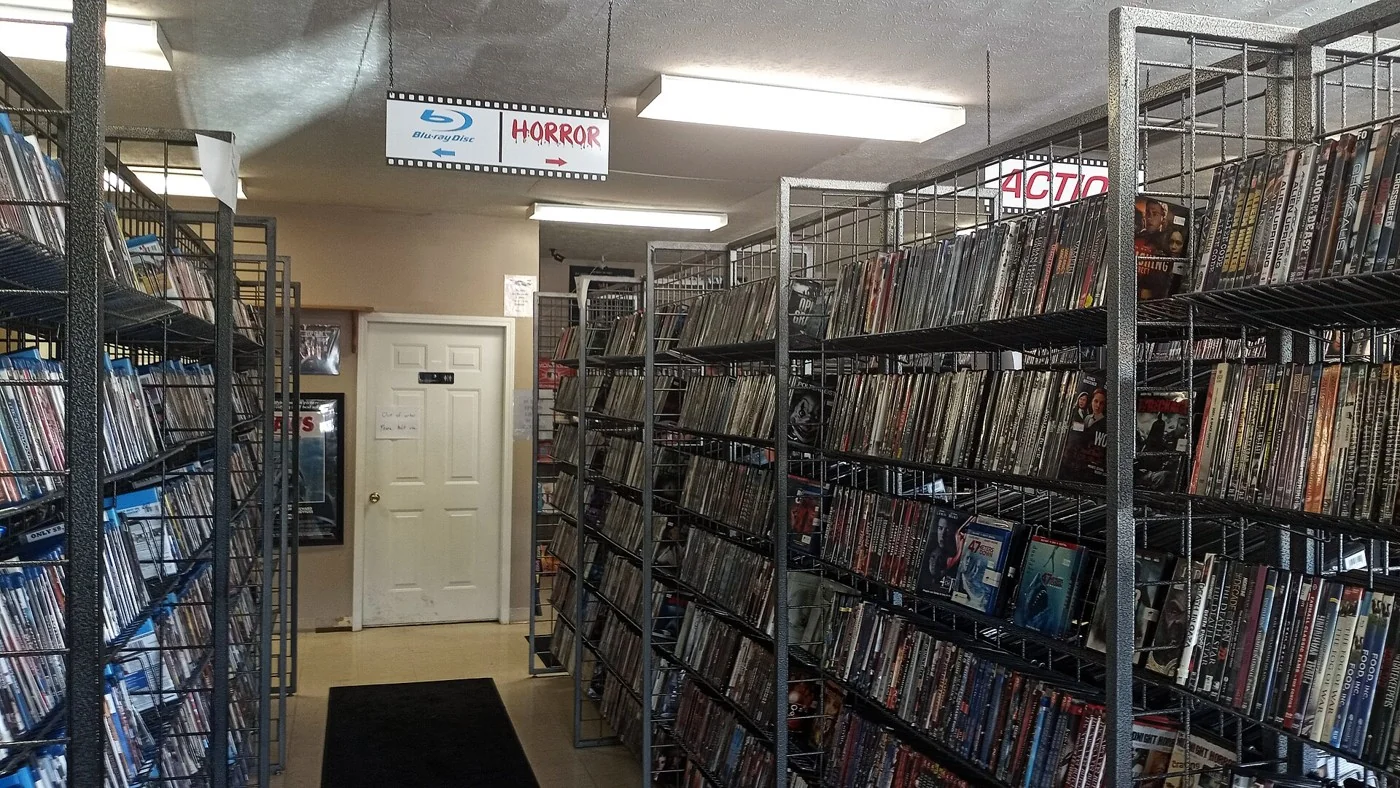
A small physical film shelf can be a collection with a point of view rather than an attempt to reproduce an entire streaming catalogue. Start with films you expect to revisit and editions whose contents you understand. Shelf space, playback compatibility and the way you watch are more useful buying criteria than the number of boxes in a sale bundle.
Choose the reason for owning each film
A frequently rewatched favorite, a particular restoration or supplementary material you will use can justify a place on the shelf. Write that reason down before choosing the edition. A box set may be appealing without every included film earning equal space; compare it with buying the one title you actually want. Do not treat a limited edition label as a substitute for interest in the work. A coherent collection can contain different genres and formats when the reason for keeping each item remains clear.
Confirm the player, format and region
Read the specifications of your actual player and the exact release. Criterion's technical FAQ explains that a 4K disc needs a compatible 4K player and gives region information for its releases. A reference to a 4K restoration on a Blu-ray description does not itself mean the package contains a 4K disc. Check what is included rather than inferring it from prominent artwork. When importing an edition, establish compatibility and shipping arrangements before payment. A beautiful copy you cannot play is a different purchase from a film you intend to watch.
Read the edition details line by line
Compare subtitle options, audio features and supplements that matter to you. Two packages with the same cover image can differ in contents or market. If a commentary or booklet is the main attraction, confirm it is included in the specific copy, particularly when buying used. Ask about missing inserts and disc condition politely. Keep the product listing or seller's description with the purchase record. You do not need an encyclopedic spreadsheet; a simple note can stop an attractive duplicate from masquerading as an essential upgrade.
Store for access and ordinary care
Measure the shelf depth and height with the largest box you plan to keep. Leave enough space to remove a case without tugging on its neighbors. The Library of Congress recommends holding optical discs at the edge and center hole rather than touching playback surfaces. Follow the release and equipment guidance when a disc needs attention. Keep drinks away from open cases and return discs after use. An easily reached shelf is often more useful than a display that requires moving decorative objects whenever you want to watch something.
Give the shelf a stopping rule
Decide how much space belongs to the collection and review it before placing another order. Keep a short watch-next group rather than buying months of imagined viewing at once. Borrow or rent an unfamiliar film where a lawful, suitable option is available before committing to a substantial edition. Selling or passing on an unwanted copy can be part of maintaining the collection. The shelf should reflect films you want a relationship with, not a running account of every promotion that arrived in an inbox.
Sources & further reading
Published sources for the details and examples discussed in this story.