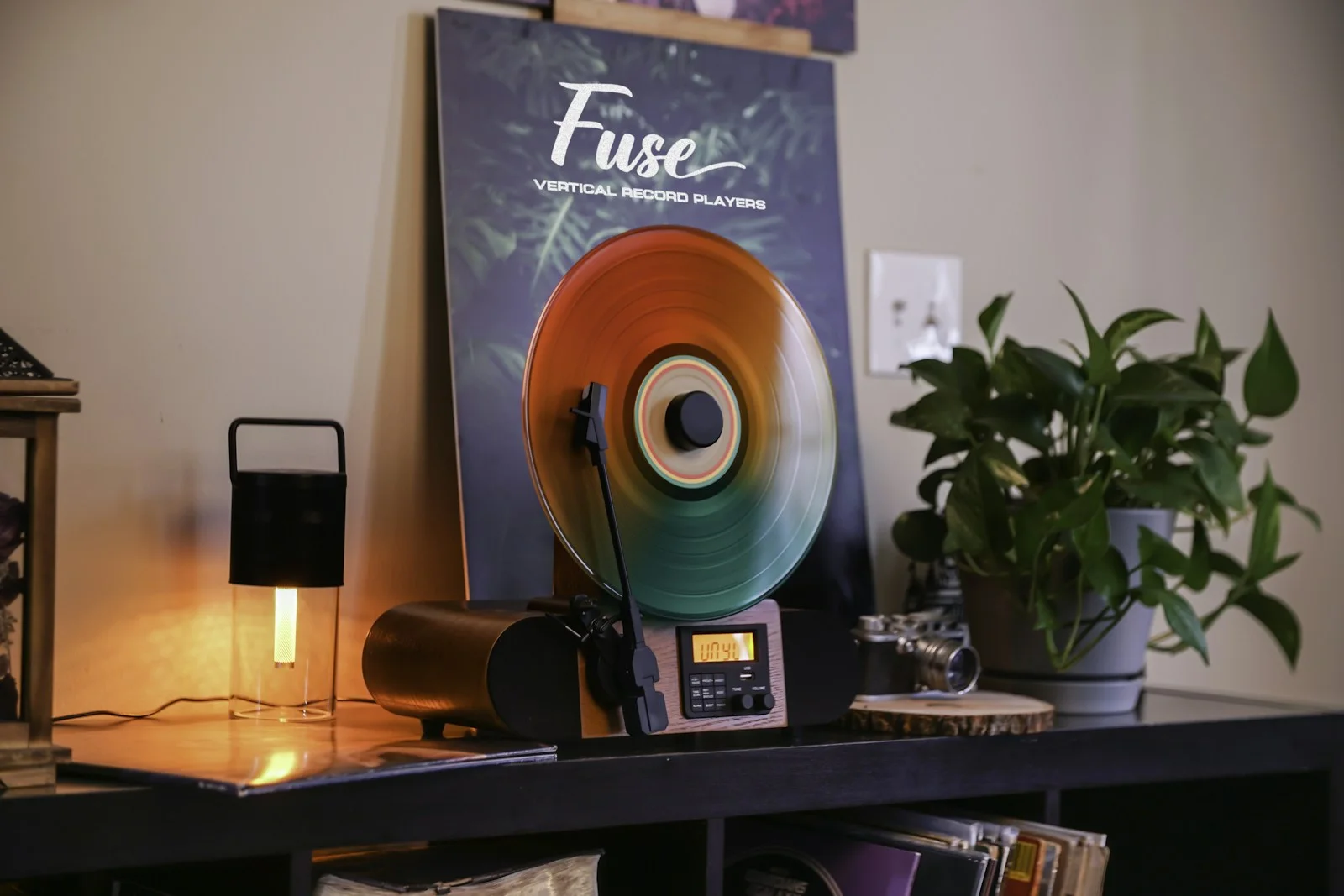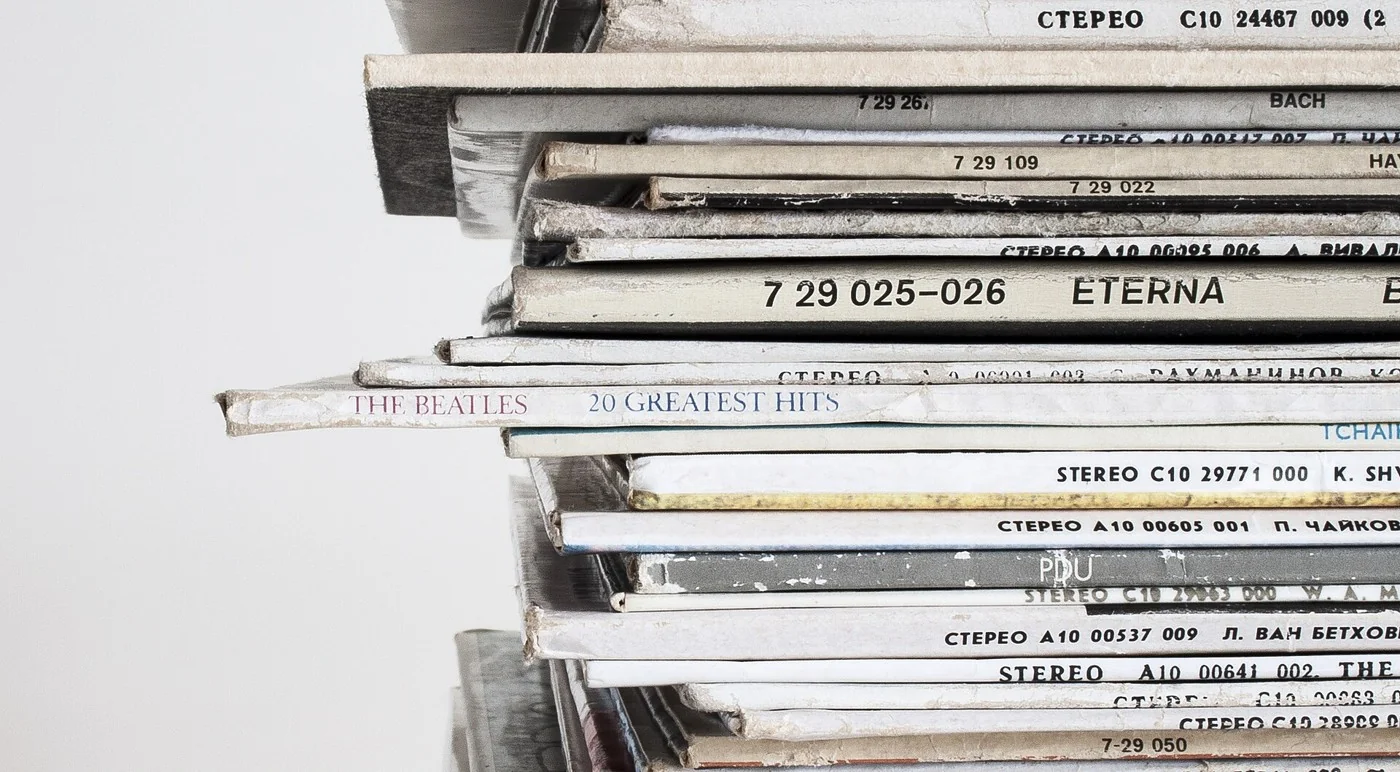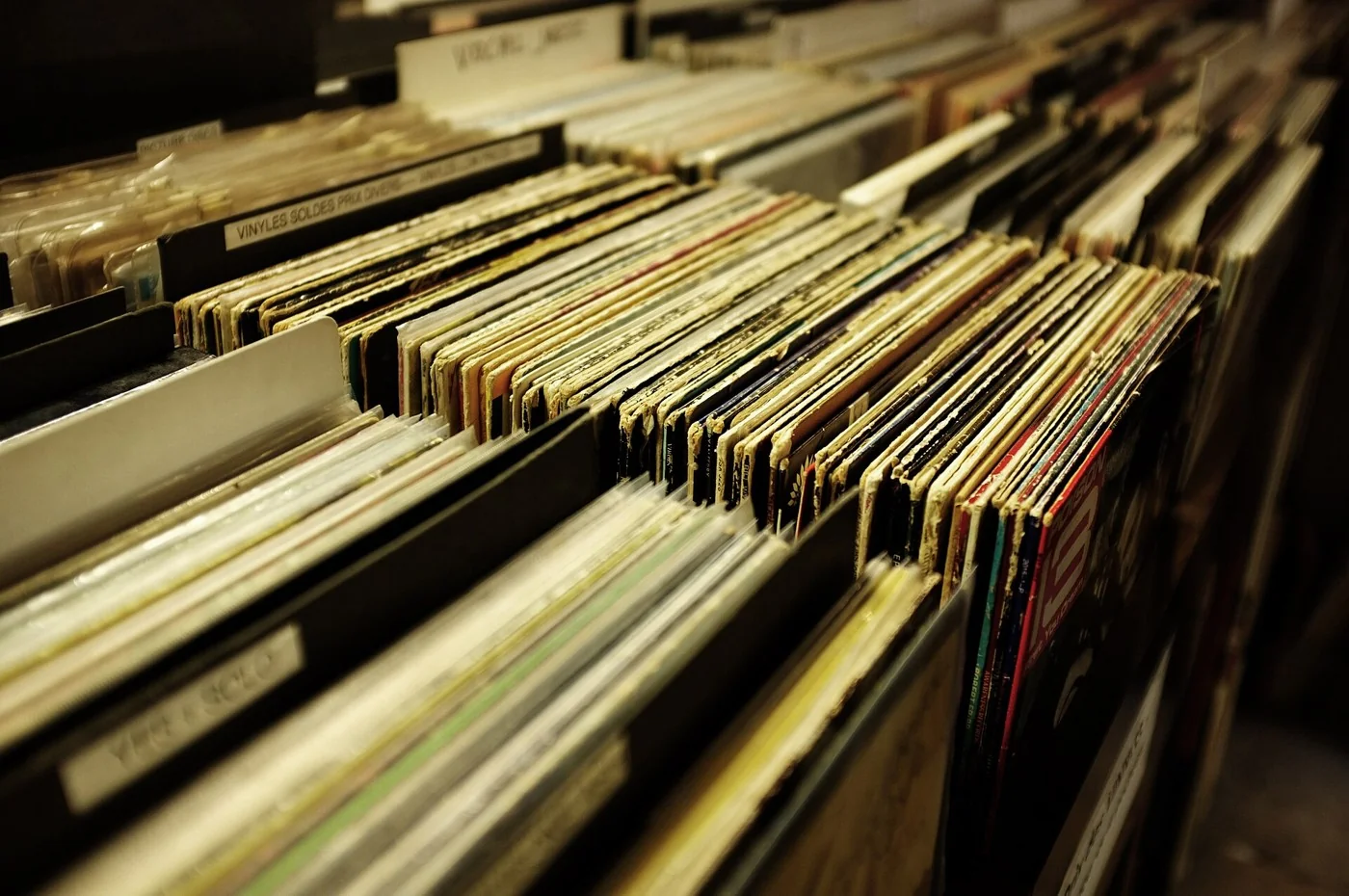
Walking into a record shop with an open afternoon can be a pleasure; leaving with three editions you did not mean to buy is less satisfying. A short shopping list keeps room for discovery while making condition, format and your own listening habits part of the decision.
Give the trip one anchor
Choose one artist, album or musical direction to investigate. Keep a second list of records you already own on your phone, including editions when that distinction matters to you. This need not become a catalogue project. A few clear notes can prevent an accidental duplicate and make a conversation with shop staff more productive. Set a spending ceiling that includes travel and any sleeves needed afterward. Leave some of it uncommitted if browsing is the point; a list should guide the visit without turning discovery into an examination.
Read the item rather than the reputation
Check the format, edition information and condition description attached to the actual copy. A familiar cover is not enough to identify everything inside it. For a used record, ask what the shop's grading terms mean and whether listening or inspection is permitted. Do not remove a disc in a way the shop has prohibited. Where handling is allowed, the Library of Congress advises holding grooved discs by their edges and label areas. Treat a record you may not buy with the same care as one already in your collection.
Ask questions that change the decision
Useful questions concern the copy in front of you: whether the sleeves are present, whether the shop has noted a defect and what happens if an undisclosed fault appears at home. Ask politely about any uncertainty instead of expecting a low price to resolve it. A return policy may distinguish a change of mind from a faulty item, and local rules differ. Get the seller's own terms before paying. Advice about musical style can be welcome, but a recommendation is not a guarantee that you will like the record.
Compare the complete purchase
A cheaper copy can require a replacement jacket, cleaning or another trip. A sealed edition may offer a different set of uncertainties from a used one you can inspect. Decide which tradeoff matters to your listening rather than declaring one format universally superior. If a record is intended as a gift, check the recipient's playback setup and whether they already own it. An edition's packaging can be attractive, but storage space and ordinary use still count. Keep a photo of the label or product description when it helps identify the purchase later.
Make space before the next visit
Bring a bag that supports the records without folding the jackets or forcing them beside loose wet items. At home, put the receipt somewhere separate and return the records to a suitable shelf. Listen while any applicable shop reporting window is still relevant. Note the music you want to explore next instead of buying every adjacent recommendation immediately. A good trip can end with one well-chosen album, several new names and no obligation to demonstrate your enthusiasm through the size of the bag.
Sources & further reading
Published sources for the details and examples discussed in this story.