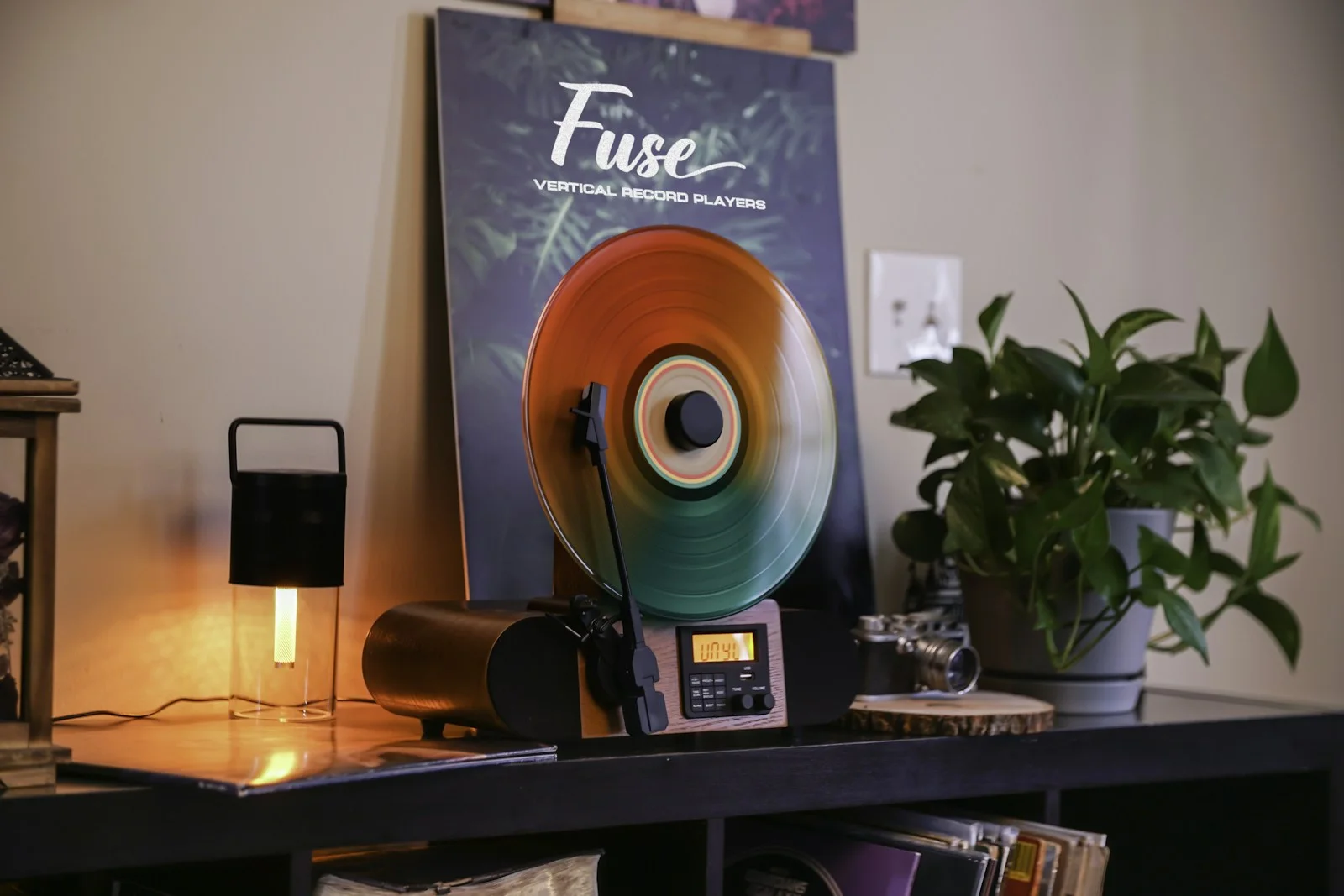
A listening party does not require a dramatic speaker upgrade. In a small room, the more interesting task is arranging an evening in which people can hear, talk and move without balancing drinks beside the turntable. Think of the room as a gathering place with music at its center, rather than an equipment demonstration.
Write a short invitation with a musical shape
Choose an album, a short set of tracks or a shared theme. Tell guests roughly how the evening will work, including whether the first part is for listening and the second for conversation. Ask about seating or access needs when inviting people, not after the room is full. Avoid an overpacked playlist that assumes everyone will remain silently attentive for hours. A compact program gives each choice a place and leaves time for the discussion that made inviting friends worthwhile in the first place.
Rehearse the seats before the sound
Place the actual chairs you intend to use, then walk between them with an empty tray. Check the entrance, the route to the bathroom and access to the controls. Floor cushions may suit some guests but should not be the only option. Borrow a folding chair before ordering a matching set. An additional lamp or small side table can be a better purchase than another speaker when the practical problem is somewhere to sit or put a glass. Keep cables away from the walking route.
Give the equipment a clear boundary
Put drinks and snacks on a different surface from records and playback equipment. The Library of Congress recommends keeping food and drink away from audio-visual materials; there is no reason to turn an ordinary gathering into a conservation challenge. Set out only the records needed for the first part of the evening. Store loose sleeves and accessories where they will not become coasters. If guests are choosing tracks, explain the controls or offer to handle playback rather than making everyone operate unfamiliar equipment under social pressure.
Plan the level around the room
Use a level that suits a small gathering and the neighbors around it. The CDC advises limiting exposure to loud noise and taking breaks. This is not a sound-pressure assessment, and a home system's volume number is not a transferable safety measurement. If conversation requires shouting, reconsider the level and the structure of the evening. You can separate focused listening from a quieter discussion rather than asking one setting to do both jobs. Agree on a finishing time if walls or floors are shared.
Spend on the missing piece only
Make a list after the room rehearsal: perhaps a longer approved audio cable, one stable drink table or a suitable lamp. Check compatibility before ordering anything electrical. Avoid buying a bundle of accessories because the event has a name. Use existing glasses, provide a simple place for coats and keep the program accessible on paper or your phone. Afterward, note what actually made hosting difficult. That observation is a better guide to a later purchase than a catalogue photograph of an idealized listening lounge.
Sources & further reading
Published sources for the details and examples discussed in this story.