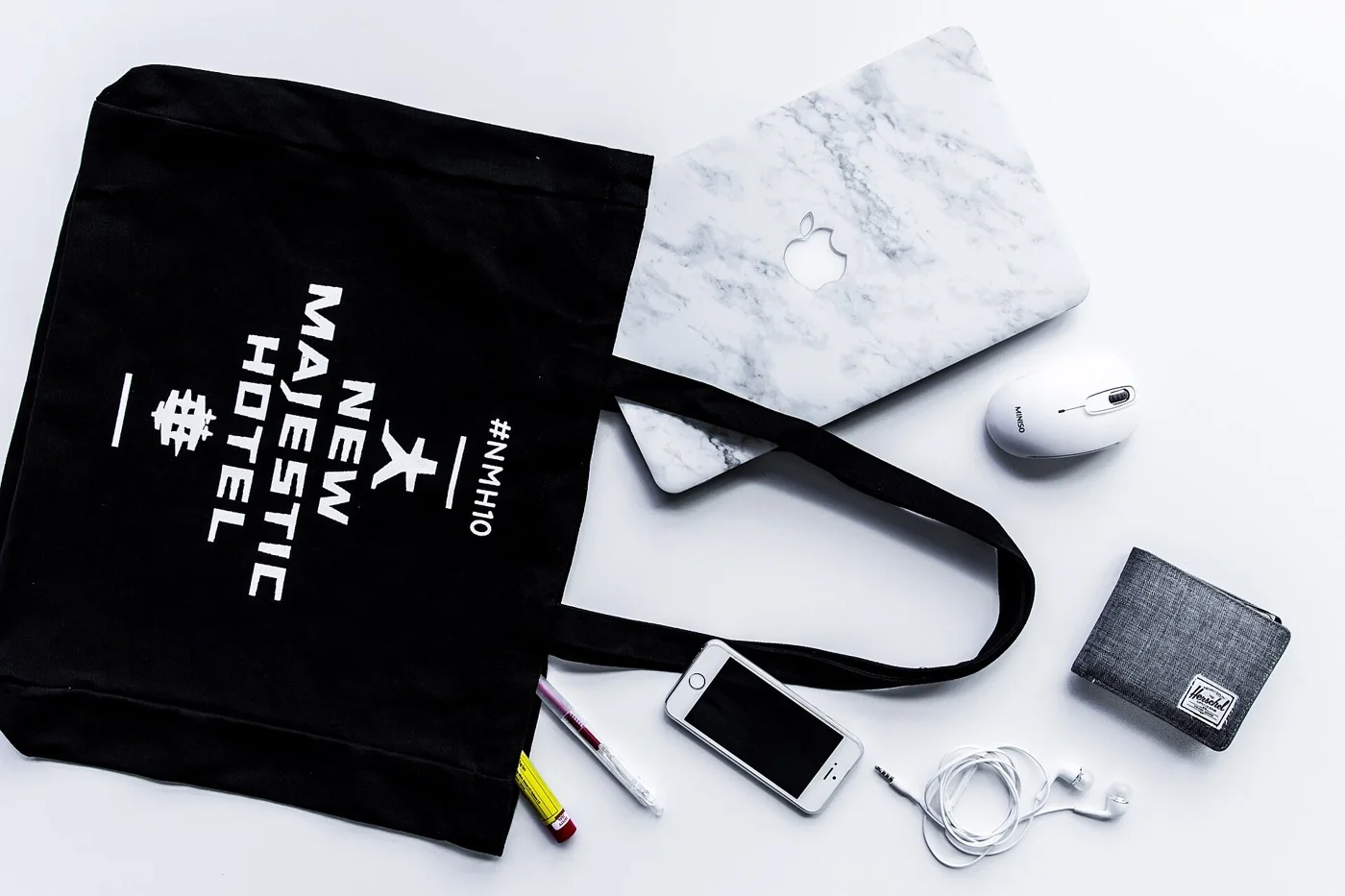
The best concert bag is the one you stop thinking about once the music starts. A crowded floor, an unfamiliar coat check and a last-minute search for a ticket can make an overpacked bag feel much bigger than it is. Build a short kit around the event you are attending. This guide covers planning and purchasing criteria; it does not promise admission under any particular venue policy.
Read the event rules before choosing the bag
Open the venue’s current event page and check its bag dimensions, permitted styles and prohibited items. Policies can differ between venues and even between events in the same building. A bag marketed as stadium-friendly is not an assurance that your show will admit it.
Make a short note of the limits and use actual measurements when comparing products. Include outside pockets, handles or bulging contents if the rules require them to count. If the wording is unclear, contact the venue before travel. Buying a second bag at the entrance is an avoidable way to start an evening.
Keep the entry essentials together
Put identification, your payment method and a charged phone within easy reach. Check the ticketing instructions in advance, including whether the ticket must remain in an app. Do not rely on a screenshot when the ticket provider requires a live or changing code.
A simple interior pocket or small pouch can keep those essentials separate from loose items. Test the closure with the phone inside and the strap adjusted over the clothes you plan to wear. The right purchase is secure and comfortable in that actual combination, not merely attractive when empty.
Give hearing protection its own place
The CDC advises using hearing protection when loud noise cannot be avoided, moving away from loud sound and taking breaks from noise. It also explains that the effect of noise depends on both loudness and exposure time. Earplugs belong in an accessible pocket rather than at the bottom of a bag.
When comparing hearing protection, look for clear use instructions, a fit you can manage and a case you can carry. Follow the manufacturer’s fitting directions. This is not a product attenuation test or individualized medical advice; seek professional guidance for hearing concerns or uncertainty about suitable protection.
Choose the closure and strap before the color
A zip that opens smoothly with one hand and a strap that stays adjusted matter during an evening spent standing. Inspect the strap attachments and consider how the bag sits while you raise your arms, sit on public transport or wear a jacket. Avoid loading it beyond what remains comfortable.
If a clear bag is required, decide whether you need a small permitted internal pouch for organization. If a normal compact bag is allowed, do not buy transparent plastic simply because a retailer calls it a concert essential. Match the purchase to the actual restriction and your own everyday use.
Edit the kit one final time
Lay everything on a table before leaving. Remove duplicate cosmetics, bulky packaging and items you packed out of habit. Check whether a bottle, charger or battery is permitted rather than assuming a useful item is automatically allowed. Pack a light layer only if it fits without forcing the closure.
Plan the journey home as carefully as entry: confirm the meeting point, transport arrangements and where essentials will stay. A small bag should leave room for attention, movement and the show itself. If the proposed kit demands a larger bag than the venue permits, reduce the kit instead of gambling on the door staff making an exception.
Sources & further reading
Published sources for the details and examples discussed in this story.