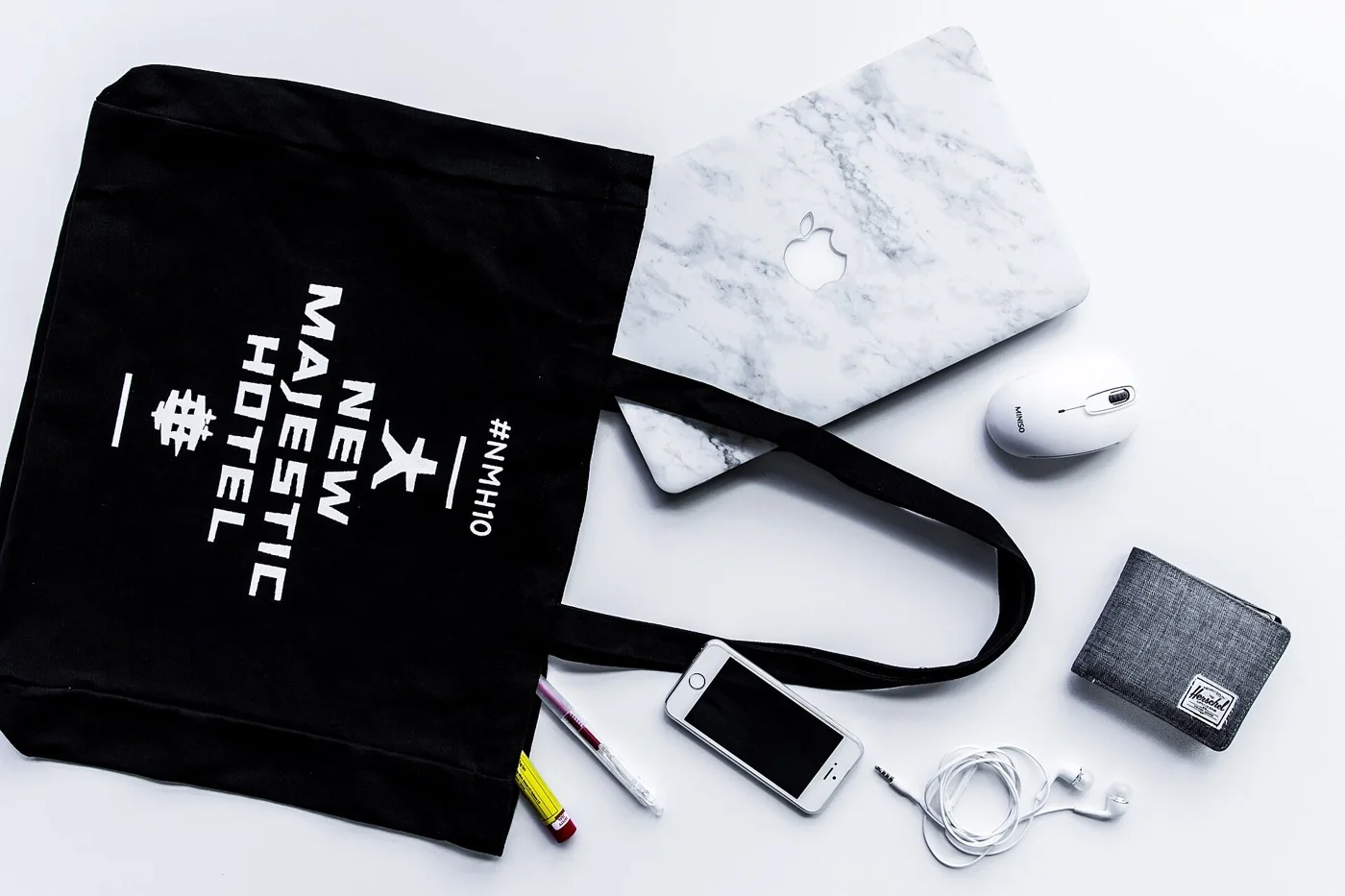
A tote for a full day of galleries, bookshops and a quiet meal needs to do more than look at home on a café chair. It has to carry the first hour's essentials and leave room for anything you genuinely intend to bring back. Plan the day in sequence before choosing its size. The best bag is often the one that prevents unnecessary carrying rather than maximizing capacity.
Work backward from the last stop
List the places you plan to enter and how you will travel between them. Check each venue's current bag rules, storage options and access information. The Met's guidelines, for instance, restrict large bags; a tote marketed as a museum bag is not a promise of admission. If the day ends somewhere with stricter rules, let that shape the whole kit. Avoid relying on a cloakroom unless you have confirmed it can accept the particular item at the relevant time.
Group the essentials by when you need them
Keep tickets, a payment method and identification accessible without unpacking a coat or book. A small existing pouch can organize loose items, but adding several pouches can consume the space the tote was meant to provide. Test the phone in its case inside the intended pocket. Decide where a wet umbrella or used food container would go after the first stop. A practical internal arrangement accounts for the untidy return trip, not only the neat collection of dry objects laid out before leaving home.
Try the straps with a realistic load
Put in the items you expect to carry and try the bag over the planned outer layer when the shop permits. A handle that works over a shirt may feel cramped over a coat. Consider how the bag sits when walking, sitting on transport or carrying a second small purchase. Follow the maker's capacity and care guidance rather than treating a roomy shape as an unlimited load allowance. If the kit is uncomfortable before leaving, remove items or change the plan instead of expecting the fabric to make the weight disappear.
Leave a deliberate purchase margin
If a catalogue or a few groceries are likely, allow space for them without making the bag oversized from the beginning. A folded lightweight extra bag can be useful where permitted, but it also means carrying a second load. Consider delivery for a bulky purchase only after comparing the cost and terms. Do not buy objects to fill the remaining space. A tote's extra capacity should preserve flexibility during the day, not set a target for how much you need to bring home.
Choose the material for your actual routine
Read the cleaning guidance and think about where the bag will rest during ordinary use. A light-colored textile may appeal despite requiring more attentive care; a structured design may be easier to organize but occupy more storage space. Neither characteristic settles the choice by itself. Check the closure, stitching and internal details of the actual item where possible. If buying online, read usable measurements carefully. A bag with fewer compartments can still work well when your kit is small and the one essential pocket is placed sensibly.
Make the reset quick
At home, empty receipts, return borrowed items and let any damp contents dry according to their own instructions. Put the everyday essentials back in their usual places rather than leaving the tote permanently packed for an imagined next outing. Note what you did not use. That observation may eliminate more weight than any new bag purchase. A tote that is pleasant for a full cultural day should also be easy to store afterward, ready for another journey with a different and deliberately edited kit.
Sources & further reading
Published sources for the details and examples discussed in this story.