A striking shoe can organize an outfit more effectively than another armful of clothes. The question is whether that shoe will work with the routes, weather and clothing of your actual week. Plan three outfits before buying, then examine the less photogenic details that determine whether the pair leaves the box regularly.
Name three complete combinations
Start with clothes you own: a trouser outfit, a skirt or dress, and a casual combination if those reflect your wardrobe. Consider trouser hems and the amount of the shoe that remains visible. A dramatic ankle detail may disappear under the only trousers you intended to wear. Photograph the existing combinations without the new shoes if it helps compare proportions. Avoid counting outfits that depend on several additional purchases. The purpose of the exercise is to discover how much work one pair can do in the wardrobe you already have.
Think through the journey
A seated event reached by taxi and an evening involving public transport place different demands on footwear. Consider the walking surfaces, any stairs and where you will stand. Check the retailer's intended use and fit information rather than expecting an attractive sole to suit every condition. You may decide the shoes are for shorter outings, which is a reasonable limit when acknowledged before purchase. Keep a comfortable alternative available for a long day. Do not plan to solve persistent discomfort by simply being more determined to wear the new pair.
Try the full fastening routine
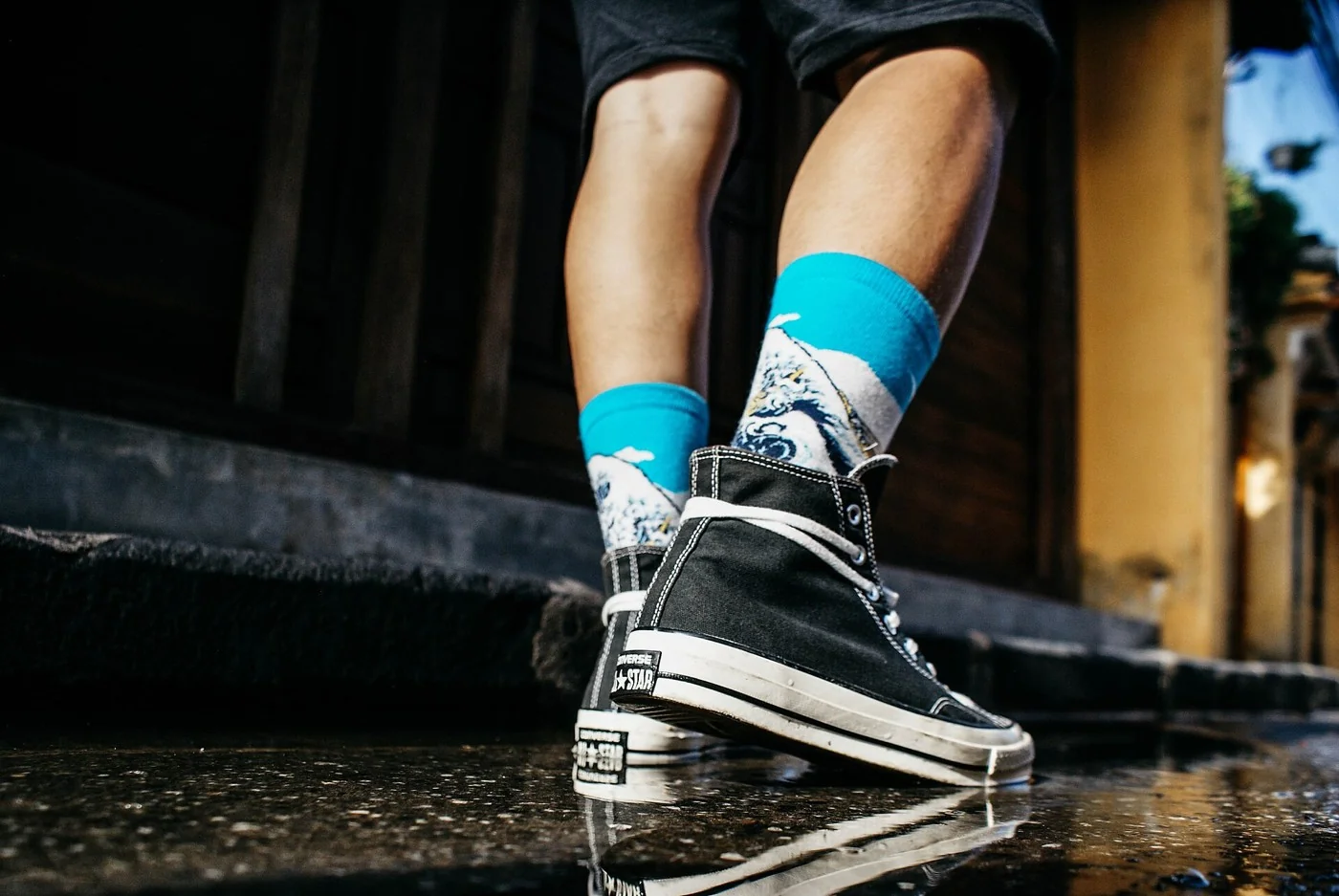
Wear the socks or hosiery you intend to use when trying the shoes. Check laces, buckles and zips while seated and standing as the shop permits. Notice pressure, slipping or an immediately awkward position. A store fitting cannot guarantee future comfort, but obvious discomfort is useful information. Follow the manufacturer's sizing guidance and ask staff about the particular model. If trying at home, understand the seller's conditions for keeping the shoes returnable. Do not rely on an assumed stretch or break-in transformation to rescue an unsuitable fit.
Match care to the actual material
A textured or glossy finish may need different care from another pair in the same brand. Dr. Martens publishes separate guides for suede and patent materials, illustrating why one general polish routine should not be applied indiscriminately. Follow the instructions for the shoes you purchase and check compatibility before adding sprays or creams. Count any necessary care supplies in the decision. If upkeep is more elaborate than you want, choose a finish you can maintain. This is a practical preference, not a verdict on which material looks better.
Decide where the statement should sit
A strong color, an unusual shape and elaborate hardware can each provide a focal point. You do not need every feature at once for the shoes to feel distinctive. Compare which detail remains visible in your three planned outfits and which makes the pair harder to combine. Check storage space and whether a suitable box or bag is already available. If the final choice only works in one narrow situation, decide whether that use is worth the cost. Repeated wear is a plan you can articulate before checkout, not a promise printed on the packaging.
Sources & further reading
Published sources for the details and examples discussed in this story.